 Clear Route Home
Where to Put Smoke Alarms in a Home
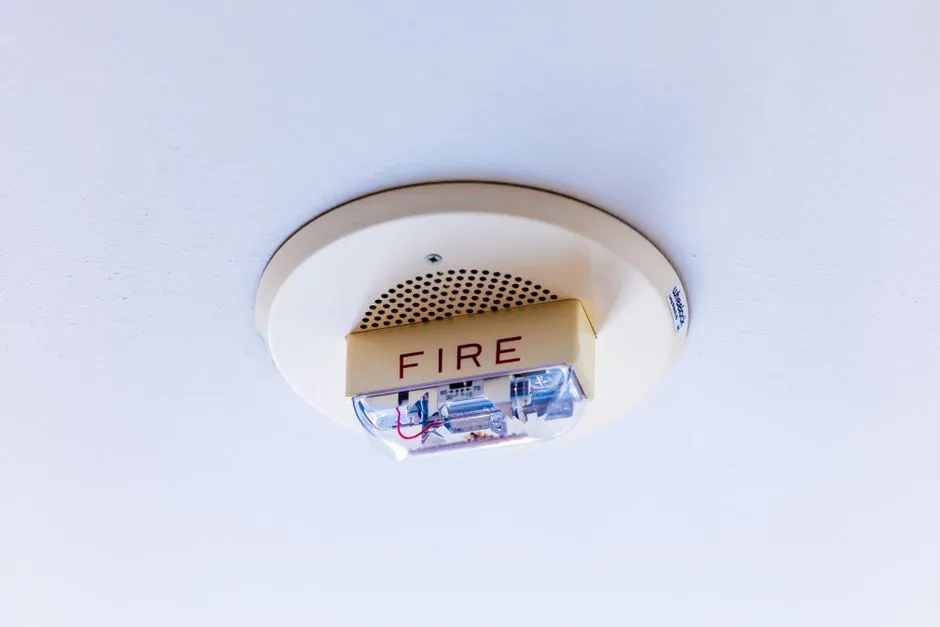
- Where should smoke alarms be placed?
- Cover every sleeping area and level
- Follow the model instructions for the exact position
- Choose alarms that communicate through the home
- Make the warning accessible to every resident
- Test monthly and track manufacture dates
- Do not remove a battery for a nuisance alarm
- Use a room-by-room audit
- Sources
Where should smoke alarms be placed?
The U.S. Fire Administration says to install smoke alarms in every bedroom, outside each separate sleeping area, and on every level of the home, including the basement. Choose interconnected alarms so that when one sounds, they all sound. The manufacturer and applicable local fire and building requirements control the exact mounting position, type, power source, and installation method.
If an alarm sounds and fire or smoke may be present, follow the household escape plan immediately. Get outside, go to the meeting place, and call local emergency services from a safe location. Do not delay escape to investigate the source.
Cover every sleeping area and level
Start the map with three checks from the U.S. Fire Administration smoke-alarm guidance:
- one alarm in every bedroom;
- one outside each separate sleeping area; and
- one on every level, including the basement.
“Outside each separate sleeping area” matters when bedrooms are divided between different hallways, floors, or wings. Mark each sleeping zone rather than assuming one centrally located alarm covers an entire home.
A split-level, addition, converted room, or finished basement can change the count. Walk the actual floor plan. Include every level and every room currently used for sleeping.
Follow the model instructions for the exact position
The broad coverage rule does not replace the alarm manual. The manufacturer specifies where on a ceiling or wall its model may be mounted and what clearances are required. Kitchens, bathrooms, heating equipment, ceiling fans, air vents, and unusual ceiling shapes can affect the permitted position.
Check current local requirements as well. The USFA notes that a city, county, or state may require a specific alarm type and directs readers to the local fire marshal for that information. Do not relocate an alarm simply because ordinary cooking or steam sometimes activates it. Use the manufacturer-approved location and features.
Choose alarms that communicate through the home
USFA recommends interconnected alarms so one activation makes all alarms sound. Interconnection can be hardwired or available through listed wireless products, depending on the model and local requirements.
Hardwired installation, circuit changes, or other mains electrical work should be completed according to the manufacturer, electrical code, and permit rules by a qualified licensed electrician where required. Do not improvise wiring or disable an existing connection.
Make the warning accessible to every resident
Standard audible alarms may not provide an effective warning for everyone. USFA says alarms for people with hearing loss may use flashing strobe lights and/or vibration.
Review the actual household: hearing, vision, sleep location, mobility, cognition, and assistance needs can affect both warning and escape. Ask the relevant local fire authority, accessibility professional, or alarm manufacturer about compliant equipment. Then incorporate the warning method into the home fire escape plan.
Test monthly and track manufacture dates
USFA's general maintenance guidance says to test smoke alarms monthly. It says 9-volt and hardwired alarms should have batteries replaced at least yearly and the entire alarm replaced every 10 years. For 10-year lithium-ion alarms, test monthly and replace the unit according to the manufacturer's instructions.
Read the label and manual because sealed batteries, replaceable batteries, hardwired backup batteries, fault signals, cleaning, and end-of-life alerts differ. Record the manufacture date and replacement instruction where the household can retrieve them.
An alarm that fails a test, is damaged, is beyond its required service life, or gives a fault signal needs action under its instructions. Do not treat silence after pressing the test button as reassurance.
Do not remove a battery for a nuisance alarm
USFA says never remove the smoke-alarm battery while cooking. Its general response is to open a window or door and use the alarm's hush button. Follow the exact model instructions, and address repeated unwanted alarms through an approved placement or product review rather than disabling protection.
If you cannot tell whether an activation is a nuisance alarm or a fire, leave and call emergency services from outside. The cost of checking is not a reason to stay in a potentially hazardous building.
Use a room-by-room audit
Stand at each sleeping room, then walk each level. Confirm the required alarm is present, undamaged, within its replacement period, and included in the monthly test. Confirm that interconnected units activate together as their instructions describe.
Finish by checking whether every resident can perceive the warning and reach a planned exit. The Alarms and Detection section keeps alarm maintenance separate from the escape route itself; both systems need to work together.
Sources
- U.S. Fire Administration, Smoke Alarms — reviewed May 9, 2023 and accessed September 3, 2026; supports the placement, interconnection, accessibility, testing, battery, replacement, local-requirement, and nuisance-alarm guidance used here.
- FEMA Ready.gov, Home Fires — accessed September 3, 2026; supports immediate escape behavior and calling 9-1-1 or the fire department when assistance is needed.
Frequently asked questions
Do I need a smoke alarm inside every bedroom?
Yes. U.S. Fire Administration guidance calls for an alarm in every bedroom, outside each separate sleeping area, and on every home level, including the basement. The exact mounting position, alarm type, and power requirements depend on the model instructions and applicable local fire, building, and electrical requirements.
How often should I test smoke alarms?
The U.S. Fire Administration's general maintenance guidance says to test smoke alarms monthly. Use the test procedure in the exact model's instructions. If an alarm fails, is damaged, or gives a fault or end-of-life signal, follow those instructions promptly rather than assuming another alarm provides adequate coverage.
When should a smoke alarm be replaced?
USFA says 9-volt and hardwired smoke alarms should be replaced every 10 years, while a 10-year lithium-ion unit should be replaced according to its manufacturer's instructions. Check the manufacture date, model label, local requirements, and fault signals. Replace a damaged or failed unit under its instructions.
What should I do when cooking sets off the smoke alarm?
Do not remove the battery. USFA advises opening a window or door and using the alarm's hush button for a cooking activation. Follow the model instructions and seek an approved placement review if nuisance alarms recur. If fire may be present or you are uncertain, leave and call emergency services from outside.