 Clear Route Home
How to Make a Home Fire Escape Plan
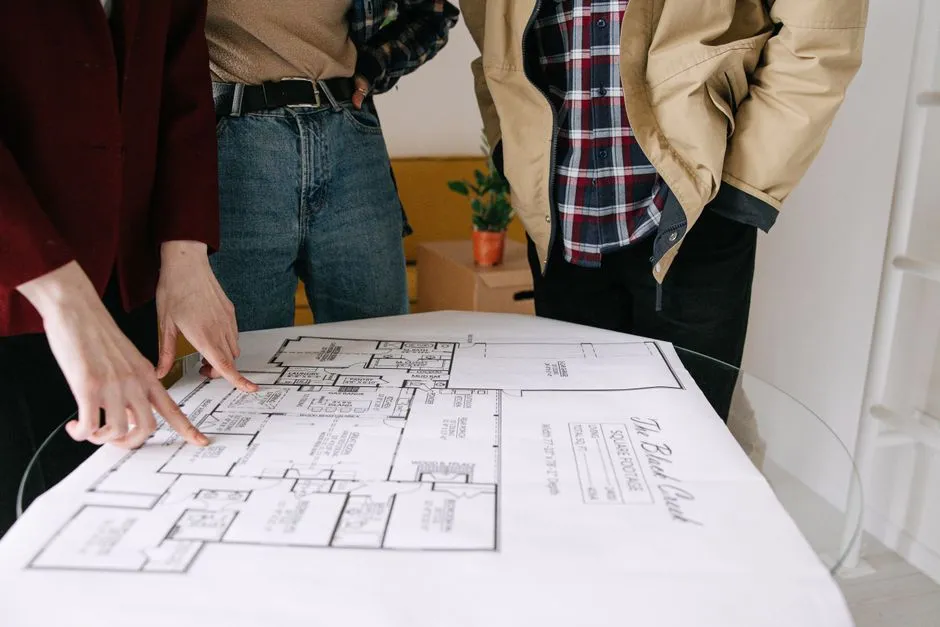
How do you make a home fire escape plan?
Draw every room, door, and window; identify two ways out of each room; keep those routes clear; and choose a fixed outside meeting place. Assign help for anyone who needs it, then practice the plan with everyone in the home. The U.S. Fire Administration says to start a drill with the smoke-alarm test button and have everyone go outside to the meeting place.
During a real fire, leave immediately when possible and call 9-1-1 or the local fire department from a safe place. Tell the operator if a person or pet is trapped. Do not delay your own escape to search.
Draw the real floor plan
Sketch each level of the home and label every room, exterior door, and window. The U.S. Fire Administration says to find two ways out of every room and make sure doors and windows are not blocked.
The second route must exist in practice, not only on paper. Check whether the window opens, the door unlocks, security hardware releases, and the path stays clear. Do not plan a jump, climb, or improvised descent. Ask the local fire authority about a room that lacks two usable routes or requires specialized escape equipment.
Choose one outside meeting place
Pick a specific location in front of the home, as USFA recommends, and far enough away to avoid the building and emergency operations. Everyone should know its exact meaning: a named mailbox, sign, tree, or neighbor's frontage is clearer than “outside.”
The meeting place lets the household account for people without re-entering or starting a search. Tell arriving firefighters immediately if anyone may still be inside and follow their directions.
Plan for each person's actual needs
Assign assistance before a drill for children and anyone whose mobility, hearing, vision, cognition, medication, or medical equipment affects warning or escape. Confirm that mobility devices fit through planned doorways. FEMA Ready.gov specifically tells people who use a walker or wheelchair to check all exits for doorway access.
Include overnight visitors and caregivers. Decide who calls emergency services after getting out and who reports that a person or pet may be trapped. No assignment should require someone to remain in or return to a hazardous building.
Review whether every resident can perceive the alarm. The companion guide explains where to put smoke alarms and how USFA addresses interconnected and accessible warnings.
Practice the route, not a performance
USFA says to practice the home fire drill with everyone in the home, use the smoke-alarm test button to start it, and go outside to the meeting place. Ready.gov says to practice the plan twice each year.
Before testing, warn residents and account for people who may be distressed by the sound. Use the alarm's manufacturer-approved test procedure. Do not use smoke, flame, or another improvised trigger.
Know what to do when smoke blocks a route
Ready.gov says to drop to the floor and crawl low under smoke toward the exit. Before opening a door, feel the doorknob and door. If either is hot or smoke is coming around the door, leave it closed and use the second route. If it is opened, open it slowly and be ready to close it if heavy smoke or fire is present.
If escape is not possible, Ready.gov says to close the door, cover vents and cracks around doors with cloth or tape, call 9-1-1 or the fire department, state your location, and signal at the window with a light-colored cloth or flashlight. These are emergency actions, not drill exercises.
High-rise homes need the building plan
USFA tells high-rise residents to know the exit stairs, leave the apartment, close the door, pull the fire alarm while leaving, and use stairs rather than the elevator unless directed by the fire department. It also says to go to the outside meeting place, stay there, call the fire department, and report anyone trapped.
Building alarm, stair, refuge, evacuation, and assistance procedures vary. Obtain the current plan from building management and the local fire authority. Do not invent a route through a locked, smoky, or inaccessible area.
Keep the plan available and current
Post a simple copy where household members can review it, and keep an accessible version for anyone who needs another format. Update it after a move, renovation, room-use change, mobility change, or change in household membership.
Use this final check:
- every room, door, and window is shown;
- two usable routes are identified where possible;
- doors, windows, halls, and stairs are clear;
- one precise outside meeting place is named;
- assistance and emergency-call roles are assigned;
- smoke alarms can warn everyone; and
- the plan has been practiced and corrected.
The Escape Planning section treats the drawing as the beginning. Everyone must be able to recognize the alarm and use the route.
Sources
- U.S. Fire Administration, Home Fire Escape Plans — reviewed April 10, 2025 and accessed September 3, 2026; supports mapping doors and windows, two ways out, clear routes, the outside meeting place, drills, and the high-rise actions used here.
- FEMA Ready.gov, Home Fires — accessed September 3, 2026; supports twice-yearly practice, walker and wheelchair route checks, low crawling, door checks, trapped-person reporting, and actions when a person cannot get out.
Frequently asked questions
How many exits should a home fire plan include?
The U.S. Fire Administration says to find two ways out of every room and keep doors and windows unblocked. Check the real route, including window operation and door hardware. Do not plan a jump or improvised descent; ask the local fire authority about rooms without two usable exits or requiring specialized equipment.
Where should a fire escape meeting place be?
USFA recommends an outside meeting place in front of the home. Choose one precise, recognizable location far enough away to avoid the building and emergency operations. Everyone should go there and remain accounted for. Tell firefighters immediately if someone may still be inside and follow their directions.
How often should a family practice a fire escape plan?
FEMA Ready.gov says to practice a home fire escape plan twice each year. USFA says to use the smoke-alarm test button to begin a drill and have everyone go to the meeting place. Warn residents before the test and use only the alarm's manufacturer-approved test procedure, never smoke or flame.
What if smoke blocks the main exit?
Use the planned second way out. Ready.gov says to crawl low under smoke and check a door and doorknob before opening; if either is hot or smoke surrounds the door, keep it closed. If you cannot get out, close the door, call emergency services, state your location, and signal at a window.