 Clear Route Home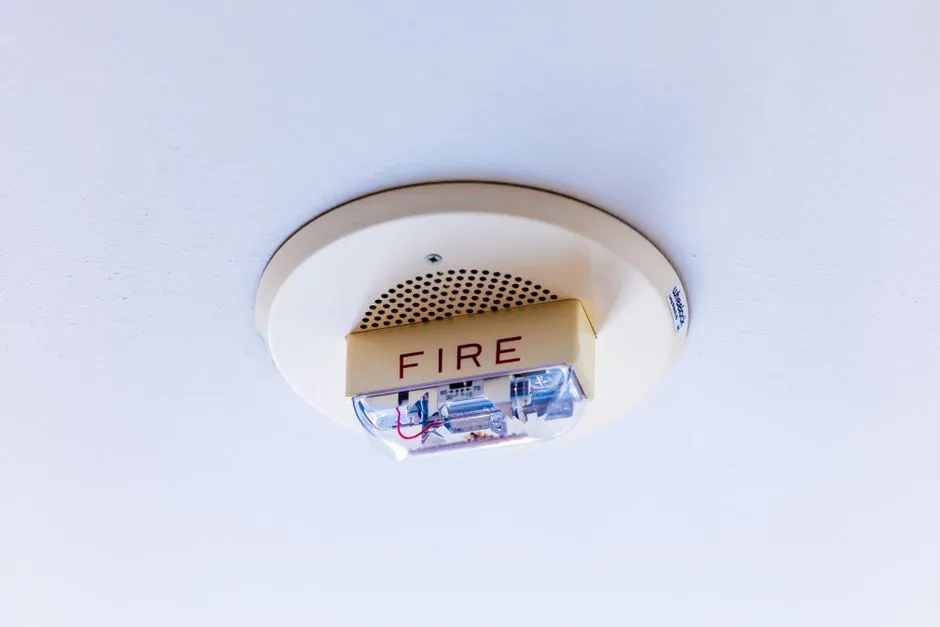
Smoke Alarm vs Carbon Monoxide Alarm: Key Differences
A smoke alarm detects smoke; a carbon monoxide alarm detects carbon monoxide (CO). A combination smoke/CO alarm provides both functions.
Working alarms provide warning only when they are present in the right places, maintained, and heard or otherwise perceived by everyone who needs the signal.
These guides use current fire-authority instructions and send model-specific installation, wiring, and replacement questions back to the manufacturer and applicable local requirements.
A smoke alarm detects smoke; a carbon monoxide alarm detects carbon monoxide (CO). A combination smoke/CO alarm provides both functions.
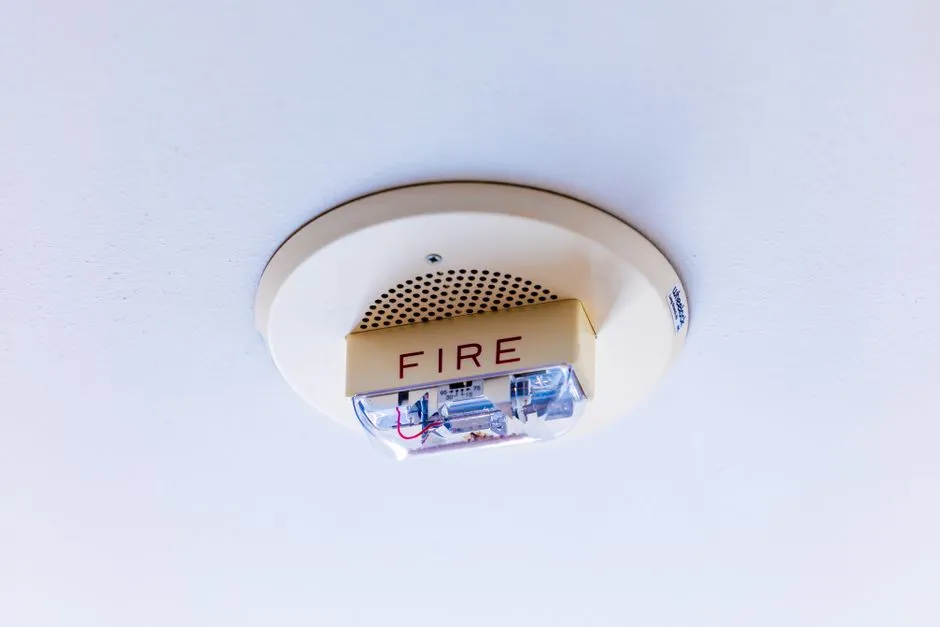
A person who is deaf or hard of hearing needs a fire-warning arrangement they can perceive, including while asleep.
The U.S. Fire Administration says to install smoke alarms in every bedroom, outside each separate sleeping area, and on every level of the home, including…